Introduction
The oil and gas industry is one of the most demanding industrial sectors in the world. From exploration and drilling to production and transportation, every component used in oil and gas projects must meet strict requirements for strength, safety, and reliability. Among these critical components, seamless steel pipes play a vital role.
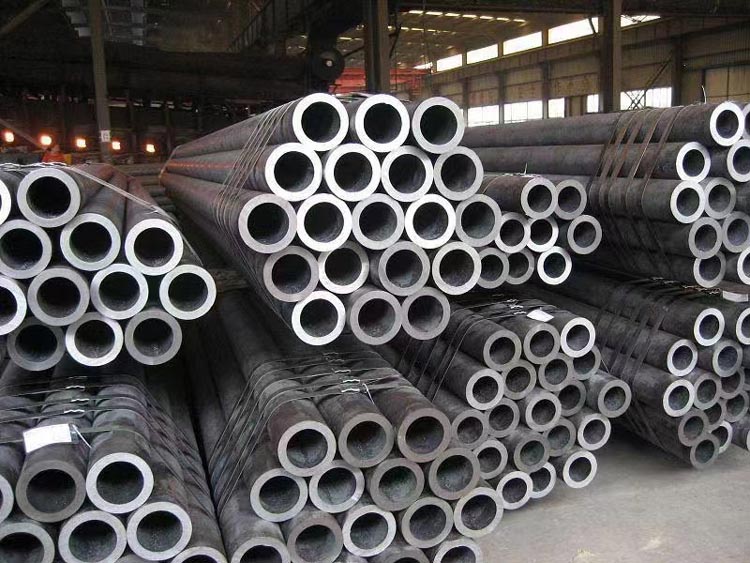
Unlike welded pipes, seamless steel pipes are manufactured without a welding seam, providing superior mechanical properties and pressure resistance. This makes them the preferred choice for high-pressure, high-temperature, and corrosive environments commonly found in oil and gas applications.
In this article, we will explore why seamless steel pipes are widely used in the oil and gas industry, their typical applications, common standards and materials, key advantages, and how to select the right seamless pipe for your project.
Why Seamless Steel Pipes Are Essential in Oil and Gas Applications
Oil and gas operations involve extreme working conditions that place high demands on piping materials. Seamless steel pipes are specifically chosen because they can reliably perform under these conditions.
High Pressure and High Temperature Resistance
Oil and gas pipelines, well tubing, and drilling systems often operate under high internal pressure and elevated temperatures. Seamless steel pipes offer uniform strength throughout the pipe body, reducing the risk of weak points caused by welding seams.
Enhanced Safety and Reliability
Safety is a top priority in oil and gas projects. A single pipe failure can result in significant economic loss, environmental damage, and safety hazards. Seamless pipes provide improved reliability and structural integrity, making them suitable for safety-critical applications.
Harsh Environmental Conditions
Oil and gas facilities are frequently exposed to corrosive media, including crude oil, natural gas, hydrogen sulfide, and seawater. Seamless steel pipes, especially those made from alloy steel, offer excellent resistance to corrosion, fatigue, and mechanical stress.
Common Applications of Seamless Steel Pipes in the Oil and Gas Industry
Seamless steel pipes are used across the entire oil and gas value chain.
Oil Well Tubing and Casing
In drilling and production operations, seamless pipes are used as oil well tubing and casing to support boreholes and transport oil and gas from underground reservoirs to the surface.
Line Pipes for Oil and Gas Transportation
Seamless line pipes are widely applied in onshore and offshore pipeline systems for transporting crude oil, natural gas, and refined petroleum products over long distances.
Drill Pipes and Petroleum Equipment
Drill pipes require high strength, toughness, and fatigue resistance. Seamless steel pipes are commonly used for drill pipes, collars, and other petroleum machinery components.
High-Pressure and Special Equipment
Seamless pipes are also used in perforating gun pipes, pressure vessels, and specialized oilfield equipment where high pressure resistance and precise dimensions are required.
Common Standards and Specifications for Oil and Gas Seamless Pipes
Choosing the correct standard is critical to ensure compliance with project requirements and international regulations.
API Standards
- API 5L – Seamless pipes for oil and gas pipeline transportation systems
- API 5CT – Casing and tubing used in oil and gas wells
API standards are widely accepted in global oil and gas projects and specify chemical composition, mechanical properties, testing methods, and dimensional tolerances.
ASTM Standards
- ASTM A106 – Seamless carbon steel pipes for high-temperature service
- ASTM A53 – Seamless and welded steel pipes for general-purpose applications
These standards are commonly used for auxiliary systems and high-temperature pipelines in oil and gas facilities.
Materials Used for Seamless Steel Pipes in Oil and Gas Projects
Carbon Steel Seamless Pipes
Carbon steel seamless pipes are widely used due to their good strength, cost-effectiveness, and availability. They are suitable for many standard oil and gas applications, especially where corrosion risks are moderate.
Alloy Steel Seamless Pipes
For more demanding environments, alloy steel seamless pipes are preferred. The addition of alloying elements improves strength, toughness, and resistance to high temperature and corrosion, making them ideal for deep wells and offshore applications.
Key Advantages of Seamless Steel Pipes for Oil and Gas Use
No Welding Seam
The absence of a welding seam eliminates potential weak points, ensuring consistent mechanical performance throughout the pipe.
Excellent Mechanical Properties
Seamless pipes offer high tensile strength, yield strength, and impact resistance, which are essential for oil and gas operations.
Long Service Life
With proper material selection and quality control, seamless steel pipes can provide long-term service with reduced maintenance and replacement costs.
Wide Range of Sizes and Customization
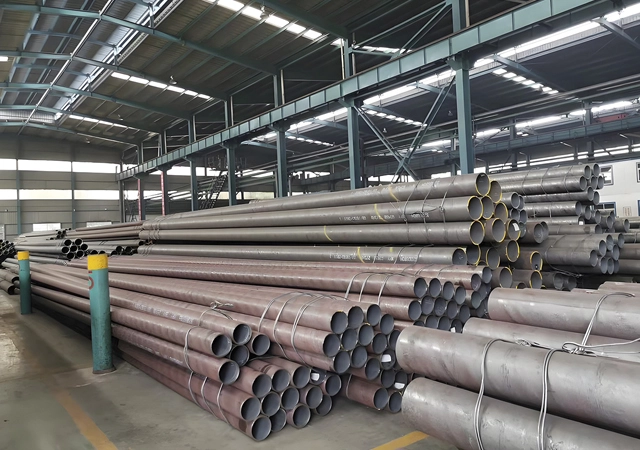
Seamless steel pipes are available in various diameters, wall thicknesses, and lengths, and can be customized to meet specific project requirements.
How to Select the Right Seamless Steel Pipe for Oil and Gas Projects
Selecting the correct seamless pipe involves several key factors:
Determine Application Requirements
Identify whether the pipe will be used for drilling, transportation, or processing, and understand the operating pressure, temperature, and environment.
Choose the Appropriate Standard and Grade
Ensure the selected pipe meets relevant API or ASTM standards and project specifications.
Consider Size and Dimensional Tolerances
Select the correct outer diameter, wall thickness, and length to ensure compatibility with existing systems and equipment.
Verify Quality Control and Testing
Reliable suppliers provide complete inspection documentation, including chemical analysis, mechanical testing, and non-destructive testing.
Quality Control and Testing in Oil and Gas Seamless Pipes
High-quality seamless steel pipes must undergo strict inspection and testing procedures, such as:
- Chemical composition analysis
- Tensile and yield strength testing
- Hydrostatic pressure testing
- Ultrasonic or eddy current testing
- Dimensional inspection
These procedures ensure the pipes meet industry standards and perform safely in oil and gas applications.
Why Choose a Reliable Seamless Steel Pipe Supplier
A professional and experienced supplier is just as important as the product itself. A reliable supplier can offer:
- Stable supply from qualified mills
- Consistent quality control
- Technical support and material recommendations
- Export packaging and global logistics support
- Flexible customization services
Working with the right supplier helps reduce project risks and ensures smooth execution.
Conclusion
Seamless steel pipes are an essential component in the oil and gas industry, providing superior strength, safety, and reliability for critical applications. From oil well tubing and line pipes to high-pressure equipment, seamless pipes play a key role in ensuring efficient and safe operations.
By understanding application requirements, relevant standards, and material options, buyers can select the right seamless steel pipe for their projects. Partnering with a trusted supplier further ensures product quality and long-term performance.