Introduction
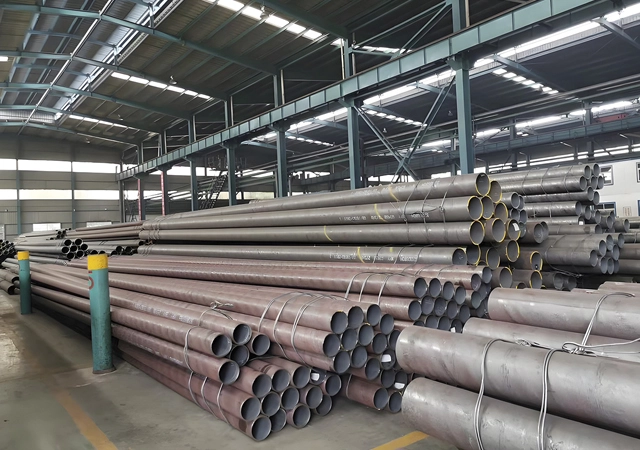
ASTM A106 seamless steel pipe is one of the most widely used carbon steel pipes in industrial applications. Known for its excellent strength, high-temperature resistance, and reliable performance, ASTM A106 pipe is commonly used in oil and gas, power plants, petrochemical facilities, boilers, and high-pressure piping systems.
Because of its broad industrial use and strong market demand, “ASTM A106 seamless steel pipe” is also a highly valuable keyword for Google SEO in the steel pipe industry.
In this article, we will explain everything you need to know about ASTM A106 seamless steel pipe, including specifications, grades, manufacturing process, applications, advantages, and how to select the right pipe for your project.
What Is ASTM A106 Seamless Steel Pipe?
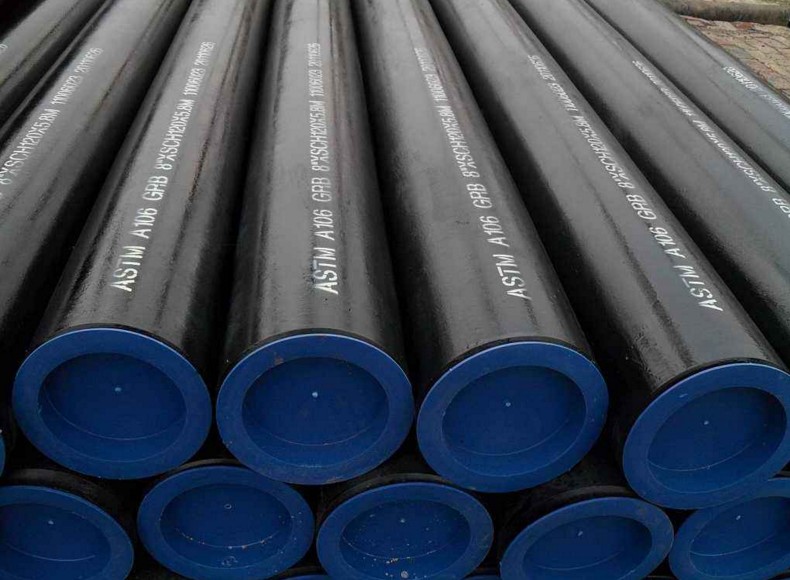
ASTM A106 is a standard specification for seamless carbon steel pipe intended for high-temperature service.
The standard is developed by ASTM and covers seamless carbon steel pipes suitable for bending, flanging, and similar forming operations.
ASTM A106 pipes are widely used where piping systems must withstand:
- High temperature
- High pressure
- Mechanical stress
- Industrial fluid transportation
ASTM A106 Pipe Grades
ASTM A106 seamless steel pipes are available in three grades:
| Grade | Description |
|---|---|
| Grade A | Lower tensile strength |
| Grade B | Most commonly used |
| Grade C | Higher strength |
ASTM A106 Grade B
ASTM A106 Grade B is the most popular choice due to its balance of:
- Strength
- Weldability
- Availability
- Cost-effectiveness
It is widely used in industrial piping systems and energy projects.
Manufacturing Process of ASTM A106 Seamless Pipe
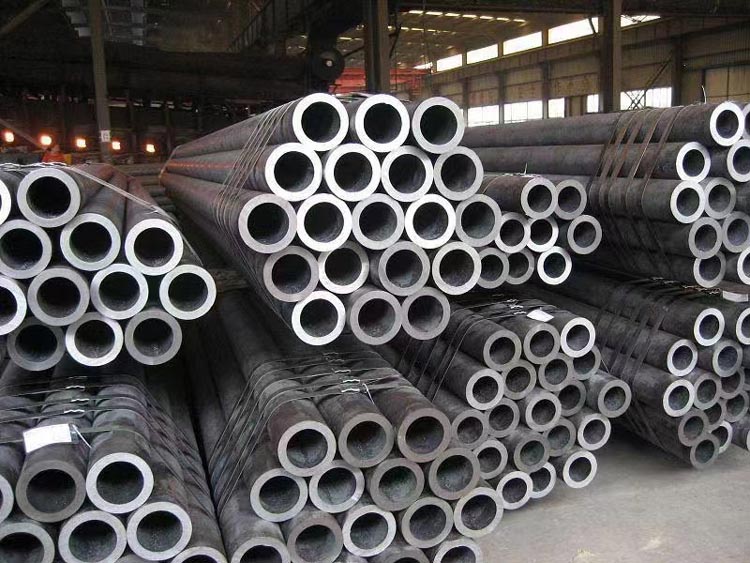
ASTM A106 pipes are manufactured through a seamless process without welding seams.
Main Production Steps
1. Billet Heating
Solid steel billets are heated to high temperature.
2. Piercing
The billet is pierced to create a hollow tube.
3. Rolling or Drawing
The pipe is hot rolled or cold drawn to achieve required dimensions.
4. Heat Treatment
Heat treatment improves:
- Strength
- Toughness
- Structural stability
Chemical Composition of ASTM A106 Pipe
Typical chemical composition includes:
| Element | Grade B (%) |
|---|---|
| Carbon | Max 0.30 |
| Manganese | 0.29–1.06 |
| Phosphorus | Max 0.035 |
| Sulfur | Max 0.035 |
This composition provides good:
- Mechanical performance
- Machinability
- Pressure resistance
Mechanical Properties of ASTM A106 Pipe
| Property | Grade B |
|---|---|
| Tensile Strength | ≥ 415 MPa |
| Yield Strength | ≥ 240 MPa |
ASTM A106 pipes provide excellent mechanical properties for high-pressure industrial systems.
Common Sizes and Dimensions
ASTM A106 seamless steel pipes are available in a wide range of sizes.
Typical Size Range
- Outer Diameter: 1/8″ – 36″
- Wall Thickness: SCH 10 to SCH XXS
- Length: Random or fixed length
Custom dimensions are also available based on project requirements.
Advantages of ASTM A106 Seamless Steel Pipe
Excellent High-Temperature Performance
ASTM A106 pipes are specifically designed for elevated-temperature service.
Superior Pressure Resistance
The seamless structure eliminates weld-related weak points.
Reliable Mechanical Strength
Suitable for demanding industrial environments.
Long Service Life
Provides stable long-term performance under harsh conditions.
Applications of ASTM A106 Seamless Steel Pipe
ASTM A106 pipes are widely used across many industries.
Oil and Gas Industry
Used in:
- Pipeline systems
- Refineries
- Drilling equipment
Power Plants
Applied in:
- Steam pipelines
- Boiler systems
- High-temperature piping
Petrochemical Industry
Used for transporting:
- Steam
- Gas
- Industrial fluids
Mechanical and Structural Applications
Suitable for:
- Machinery
- Structural supports
- Industrial equipment
ASTM A106 vs ASTM A53
ASTM A106 and ASTM A53 are both popular carbon steel pipe standards, but they differ in application focus.
| Feature | ASTM A106 | ASTM A53 |
|---|---|---|
| Main Use | High-temperature service | General-purpose piping |
| Manufacturing | Seamless only | Seamless & welded |
| Pressure Resistance | Higher | Moderate |
| Boiler Applications | Excellent | Limited |
👉 ASTM A106 is generally preferred for critical industrial systems.
Quality Control and Testing
ASTM A106 seamless steel pipes undergo strict testing procedures:
- Hydrostatic testing
- Ultrasonic testing
- Eddy current testing
- Tensile testing
- Dimensional inspection
Mill Test Certificates (MTC) are typically provided to ensure compliance.
How to Choose the Right ASTM A106 Pipe
When selecting ASTM A106 seamless steel pipe, consider:
Operating Conditions
- Temperature
- Pressure
- Fluid type
Grade Selection
Choose Grade A, B, or C based on performance requirements.
Size and Thickness
Select appropriate OD and wall thickness.
Supplier Capability
Choose suppliers with:
- Stable quality
- Export experience
- Complete documentation
Why ASTM A106 Pipes Are Popular in Global Markets
ASTM A106 seamless steel pipes are widely accepted worldwide because they:
- Meet international industrial standards
- Offer stable quality
- Support high-pressure systems
- Are available in multiple sizes and grades
This makes them one of the most demanded seamless steel pipe products in international trade.
Conclusion
ASTM A106 seamless steel pipe is a reliable and high-performance solution for high-temperature and high-pressure applications. With excellent mechanical properties, strong durability, and broad industrial applications, ASTM A106 pipes remain a preferred choice in oil & gas, power generation, and industrial piping systems.
Understanding ASTM A106 specifications, grades, and applications helps buyers select the right pipe for safe and efficient operations.