Introduction
Seamless steel pipe for boiler applications is a critical component in power generation, petrochemical plants, and industrial heating systems. Boilers operate under extreme conditions, including high temperature, high pressure, and continuous thermal cycling, which demand piping solutions with superior mechanical strength and reliability.
Compared with welded pipes, seamless steel pipes provide uniform structure, excellent pressure resistance, and long-term stability. This article explains the manufacturing process, material grades, international standards, key applications, and selection guidelines for seamless steel pipes used in boiler systems.
What Is a Seamless Steel Pipe?
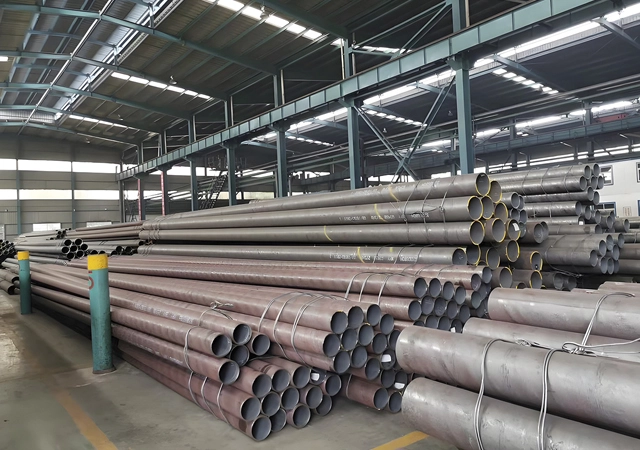
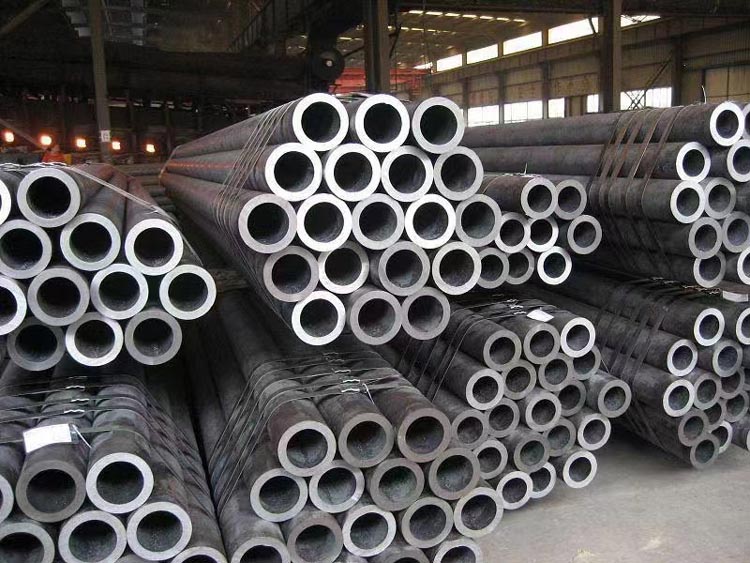
A seamless steel pipe is manufactured from a solid steel billet through piercing and rolling processes, without any welded joints. This seamless structure eliminates weak points caused by weld seams and ensures consistent mechanical performance across the entire pipe body.
Key advantages include:
- No weld seam or fusion line
- Uniform wall thickness
- High pressure and temperature resistance
- Excellent fatigue and creep performance
These characteristics make seamless pipes the preferred choice for boiler systems.
Why Seamless Steel Pipes Are Used in Boilers
Boiler systems require pipes that can safely handle extreme operating environments.
High Pressure Capability
Seamless pipes distribute internal stress evenly, reducing the risk of rupture under fluctuating pressure.
High Temperature Resistance
Special carbon and alloy steel grades maintain strength and microstructural stability at elevated temperatures.
Operational Safety
Seamless pipes significantly reduce leakage, cracking, and failure risks, ensuring long-term boiler reliability.
Manufacturing Process of Boiler Seamless Steel Pipes
- Billet Heating – Steel billets are heated to forging temperature
- Piercing – Billets are pierced to form a hollow shell
- Hot Rolling or Cold Drawing – Achieves required diameter and wall thickness
- Heat Treatment – Normalizing or quenching and tempering improves performance
- Inspection & Testing – Ensures compliance with standards
Materials Used for Boiler Seamless Steel Pipes
Carbon Steel Seamless Pipes
Suitable for low and medium pressure boilers:
- ASTM A106 Grade B / C
- ASTM A53 Grade B
Carbon steel offers cost efficiency and good machinability.
Alloy Steel Seamless Pipes
Designed for high-temperature and high-pressure service:
- ASTM A335 P11 / P22 / P91
- ASTM A213 T11 / T22 / T91
Alloy steels provide enhanced creep resistance and oxidation resistance.
International Standards & Certifications
Seamless boiler pipes are produced in compliance with international standards, including:
- ASTM standards for material composition and performance
- ASME Boiler and Pressure Vessel Code
- EN 10216 and DIN 17175 for European markets
Mill Test Certificates (MTC) are supplied to verify chemical and mechanical properties.
Boiler Applications of Seamless Steel Pipes
Seamless steel pipes are widely used in:
Water Wall Tubes
Form the furnace walls and absorb radiant heat.
Superheater & Reheater Tubes
Carry high-temperature steam and require alloy steel grades.
Economizer Tubes
Improve energy efficiency by recovering waste heat.
Main Steam Pipes & Headers
Transport high-pressure steam between boiler components.
Seamless vs Welded Pipes for Boilers
| Feature | Seamless Pipe | Welded Pipe |
|---|---|---|
| Pressure resistance | Excellent | Moderate |
| Heat resistance | Excellent | Limited |
| Structural integrity | Uniform | Weld-dependent |
| Boiler suitability | Preferred | Limited |
Quality Control & Testing
Boiler seamless steel pipes undergo strict quality inspections:
- Ultrasonic testing (UT)
- Eddy current testing (ECT)
- Tensile and yield strength testing
- Chemical composition analysis
These procedures ensure long-term safety and reliability.
How to Choose the Right Boiler Seamless Steel Pipe
When selecting a seamless pipe for boiler use, consider:
- Operating temperature and pressure
- Required material grade
- Pipe dimensions and tolerances
- Applicable international standards
- Certification and inspection reports
Conclusion
Seamless steel pipes are essential for safe and efficient boiler operation. Their superior strength, temperature resistance, and reliability make them the industry standard for high-pressure and high-temperature boiler systems. Choosing the right material and standard ensures long service life and operational safety.