Introduction
When selecting steel pipes for industrial applications, one of the most common questions buyers face is: should you choose seamless steel pipes or welded steel pipes?
Both types of pipes are widely used in industries such as oil and gas, construction, mechanical engineering, and chemical processing. However, they differ significantly in terms of manufacturing process, strength, performance, cost, and application suitability.
Understanding the differences between seamless and welded steel pipes is essential for making the right decision for your project. In this guide, we will compare these two types of pipes in detail, covering their characteristics, advantages, limitations, and ideal applications.
What Is a Seamless Steel Pipe?
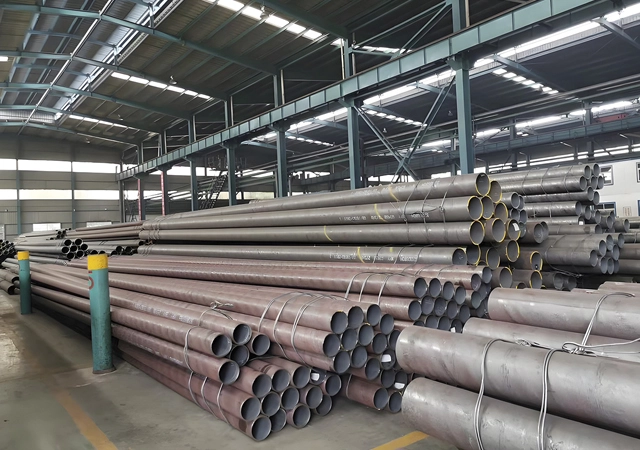
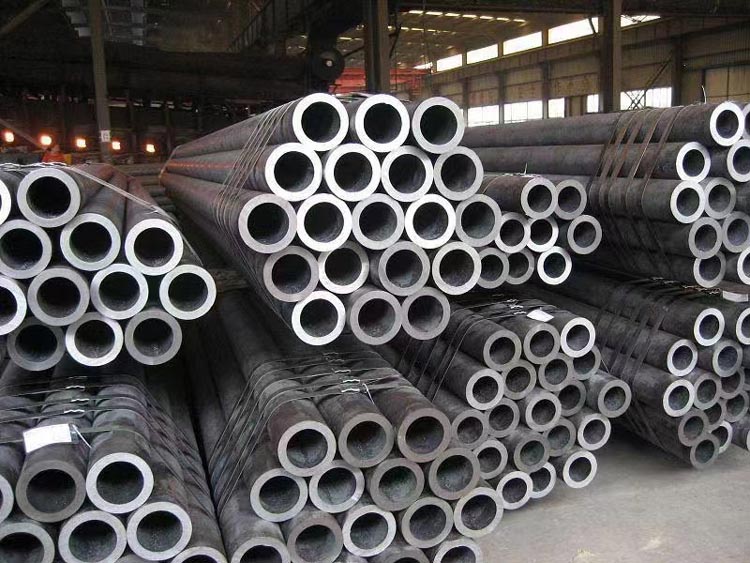
A seamless steel pipe is manufactured from a solid steel billet that is heated and then pierced to form a hollow tube. The pipe is further processed through rolling or drawing without any welding seam.
Key Features of Seamless Pipes
- No weld seam
- Uniform structure and strength
- High pressure and temperature resistance
- Suitable for critical applications
Seamless pipes are commonly used in oil and gas pipelines, boilers, pressure vessels, and high-performance mechanical systems.
What Is a Welded Steel Pipe?
A welded steel pipe is made by rolling a steel plate or strip into a cylindrical shape and then welding the edges together.
Types of Welded Pipes
- ERW (Electric Resistance Welded) pipes
- LSAW (Longitudinal Submerged Arc Welded) pipes
- SSAW (Spiral Submerged Arc Welded) pipes
Key Features of Welded Pipes
- Manufactured from steel coils or plates
- Lower production cost
- Available in large diameters
- Suitable for general-purpose applications
Welded pipes are widely used in construction, water supply systems, and low-pressure applications.


Key Differences Between Seamless and Welded Steel Pipes
1. Manufacturing Process
- Seamless Pipe: Produced by piercing a solid billet → no weld
- Welded Pipe: Formed from steel plate and welded
👉 This difference directly impacts strength and performance.
2. Strength and Structural Integrity
Seamless pipes offer uniform strength across the entire pipe body, while welded pipes may have weaker areas along the weld seam.
For high-pressure applications, seamless pipes are generally more reliable.
3. Pressure and Temperature Resistance
Seamless steel pipes are better suited for:
- High-pressure systems
- High-temperature environments
Welded pipes are typically used in:
- Low to medium pressure systems
- Non-critical applications
4. Surface Quality and Precision
Cold-drawn seamless pipes provide:
- Better surface finish
- Higher dimensional accuracy
Welded pipes may show:
- Weld lines
- Slight variations in roundness
5. Cost Comparison
- Seamless Pipes → Higher cost
- Welded Pipes → More economical
👉 Welded pipes are often chosen when cost is a primary concern.
6. Size Availability
- Seamless pipes: Typically smaller diameters, thick walls
- Welded pipes: Easier to produce in large diameters
Advantages of Seamless Steel Pipes
Seamless steel pipes provide several key advantages:
- Superior pressure resistance
- No weld-related defects
- Better performance in harsh environments
- High reliability in critical systems
- Long service life
These benefits make them ideal for oil & gas, boilers, and chemical industries.
Advantages of Welded Steel Pipes
Welded pipes also have their advantages:
- Lower production cost
- Faster manufacturing
- Availability in large sizes
- Suitable for structural and general applications
Typical Applications Comparison
| Application | Seamless Pipe | Welded Pipe |
|---|---|---|
| Oil & Gas | ✅ Preferred | ⚠ Limited |
| Boiler Systems | ✅ Required | ❌ Rare |
| Construction | ⚠ Optional | ✅ Common |
| Water Systems | ⚠ Optional | ✅ Common |
| High Pressure Systems | ✅ Yes | ❌ Not recommended |
When to Choose Seamless Steel Pipe
You should choose seamless steel pipes when:
- The application involves high pressure or high temperature
- Safety and reliability are critical
- The system operates in harsh environments
- Long-term performance is required
Typical industries:
- Oil & gas
- Power plants
- Petrochemical plants
When to Choose Welded Steel Pipe
Welded pipes are a good choice when:
- Budget is limited
- Pressure requirements are low
- Large diameter pipes are needed
- The application is non-critical
Typical uses:
- Construction structures
- Water pipelines
- Low-pressure systems
Standards for Seamless and Welded Pipes
Both types of pipes are produced according to international standards, such as:
- ASTM standards (A106, A53)
- API standards (API 5L)
These standards define:
- Chemical composition
- Mechanical properties
- Testing methods
How to Choose the Right Steel Pipe for Your Project
To make the right choice, consider the following factors:
1. Application Requirements
Is it high-pressure, high-temperature, or structural use?
2. Budget Constraints
Balance cost vs performance.
3. Pipe Size and Specifications
Check diameter, wall thickness, and tolerance.
4. Quality and Certification
Ensure compliance with international standards and testing requirements.
Conclusion
Both seamless and welded steel pipes have their own advantages and suitable applications. Seamless pipes are the preferred choice for high-performance, high-pressure, and safety-critical environments, while welded pipes offer cost-effective solutions for general applications.
Understanding the differences between these two types of pipes allows buyers and engineers to select the most suitable option for their specific needs.
Call to Action
Not sure whether to choose seamless or welded steel pipes?
Contact us today for professional advice and customized solutions tailored to your project requirements.