Introduction
Choosing the right seamless steel pipe is a critical decision for engineers, procurement managers, and industrial buyers. Whether used in oil and gas, boiler systems, construction, or mechanical applications, the performance and reliability of seamless steel pipes directly impact the safety and efficiency of your project.
With a wide range of materials, standards, sizes, and manufacturing processes available, selecting the correct pipe can be challenging. This guide provides a complete overview of how to choose the right seamless steel pipe based on application requirements, material properties, standards, and quality considerations.
What Is a Seamless Steel Pipe?
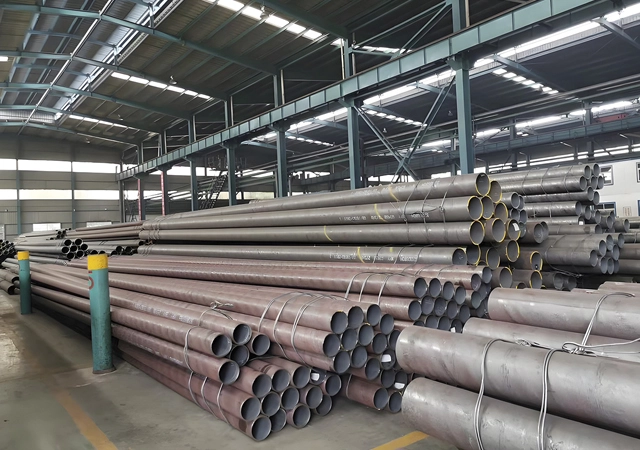
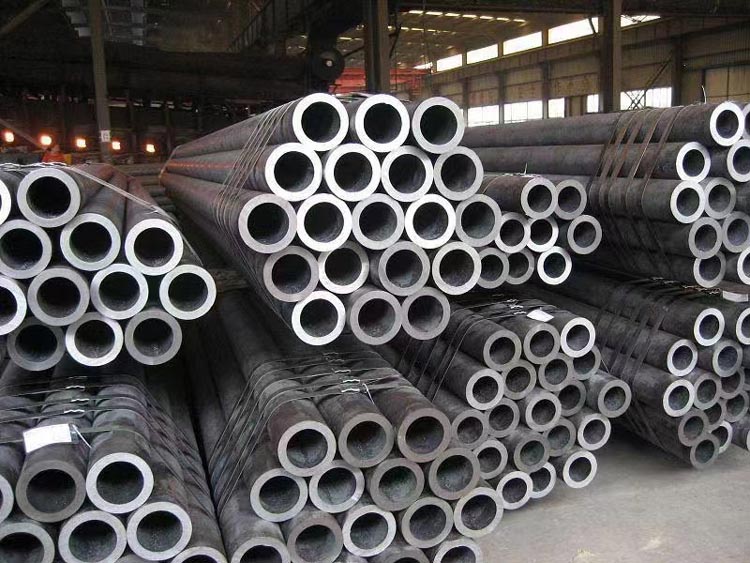
A seamless steel pipe is manufactured from a solid steel billet that is heated, pierced, and rolled into a hollow tube without any welding seam. This structure provides superior mechanical properties compared to welded pipes.
Seamless steel pipes are widely used in:
- Oil and gas pipelines
- Boiler and pressure systems
- Mechanical and structural applications
- Chemical and energy industries
Step 1: Identify Your Application Requirements
The first step in selecting a seamless steel pipe is understanding the application.
High Pressure Applications
For oil & gas, boilers, and pressure vessels:
- Choose thick-wall seamless pipes
- Select high-strength materials
High Temperature Applications
For boilers and heat exchangers:
- Use alloy steel pipes (e.g., P11, P22, P91)
- Ensure creep resistance
Structural Applications
For construction and machinery:
- Carbon steel pipes are usually sufficient
- Focus on strength and machinability
👉 Tip: Always define working pressure, temperature, and environment first.
Step 2: Select the Right Material
Material selection is one of the most important factors.
Carbon Steel Seamless Pipes
- Cost-effective
- Suitable for general applications
- Common grades: ASTM A106, ASTM A53
Alloy Steel Seamless Pipes
- Higher strength and durability
- Better high-temperature performance
- Used in demanding environments
👉 Rule:
- Standard use → Carbon steel
- Extreme conditions → Alloy steel
Step 3: Choose the Correct Standard
International standards ensure quality and compatibility.
Common standards include:
- ASTM (A106, A53)
- API (API 5L)
- EN / DIN standards
Why Standards Matter
- Ensure safety and performance
- Define testing requirements
- Guarantee global acceptance
Step 4: Determine Pipe Size and Dimensions
Key parameters include:
Outer Diameter (OD)
Defines pipe size and compatibility.
Wall Thickness (WT)
Determines pressure resistance.
Length
- Random length
- Fixed length (customized)
👉 Thicker walls = higher pressure capacity.
Step 5: Consider Manufacturing Process
Seamless pipes are produced in different ways:
Hot Rolled Pipes
- Lower cost
- Suitable for large sizes
- Used in structural and general applications
Cold Drawn Pipes
- Higher precision
- Better surface finish
- Used in mechanical and precision applications
Step 6: Evaluate Quality Control and Testing
Reliable seamless steel pipes must undergo strict inspection:
- Chemical composition analysis
- Tensile and yield strength testing
- Hydrostatic pressure testing
- Ultrasonic or eddy current testing
Certification
Always request:
- Mill Test Certificate (MTC)
- Third-party inspection (if required)
Step 7: Check Surface Treatment and Processing
Depending on the application, pipes may require:
- Black (as rolled)
- Pickled and oiled
- Galvanized
- Threaded ends
- Beveled ends
Surface treatment improves corrosion resistance and usability.
Step 8: Evaluate Supplier Capability
Choosing the right supplier is just as important as selecting the product.
Key Factors:
- Stable supply chain
- Quality control system
- Export experience
- Technical support
- Customization capability
👉 A good supplier helps reduce risks and costs.
Step 9: Understand Price Factors
Seamless steel pipe pricing depends on:
- Material grade
- Pipe size and thickness
- Production process
- Order quantity
- Market steel price
Important Tip
Don’t choose the lowest price blindly—focus on value and reliability.
Step 10: Common Mistakes to Avoid
❌ Choosing the wrong material
May lead to failure under pressure or temperature.
❌ Ignoring standards
Can cause compliance issues.
❌ Underestimating wall thickness
Leads to safety risks.
❌ Not verifying supplier quality
May result in inconsistent products.
Applications of Seamless Steel Pipes
Seamless steel pipes are widely used in:
- Oil & gas pipelines
- Boiler systems
- Chemical processing plants
- Mechanical structures
- Energy and power plants
Conclusion
Selecting the right seamless steel pipe requires a comprehensive understanding of application requirements, materials, standards, dimensions, and supplier capabilities. By following a structured selection process, buyers can ensure optimal performance, safety, and cost efficiency.
Whether your project involves high-pressure pipelines or industrial machinery, choosing the right seamless pipe is essential for long-term success.